
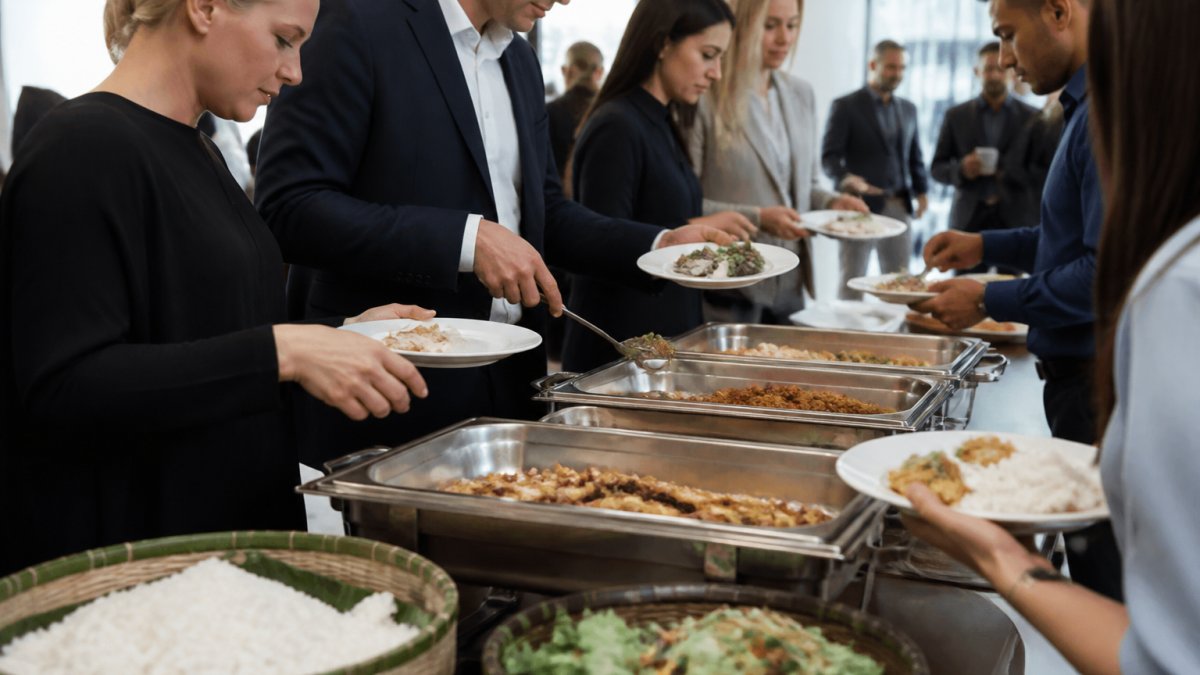
Last Updated: October 26, 2026
Quick Summary
Corporate event catering disasters stem from underestimating portions, ignoring dietary requirements, and choosing the wrong menu for your audience. Avoid these by tracking your actual guest appetites, collecting dietary information 3 weeks in advance, and matching your menu to the event's purpose.
- Protein portions range from 60-80 grams at breakfast events to 200-250 grams at evening events
- Send dietary questionnaires to all attendees at least 3 weeks before the event
- Ask caterers explicitly how they prevent cross-contact using separate prep areas and utensils
- Match your menu to the event type: simple options for working lunches, bold dishes for celebrations
- Confirm all catering details in writing including guest count deadline, dietary protocols, and day-of contact information
Table of Contents
- 1. Underestimating Portion Sizes and Guest Count
- 2. Ignoring Dietary Requirements and Allergen Cross-Contact
- 3. Choosing the Wrong Menu for Your Event and Audience
- Corporate Event Catering Checklist: What to Confirm Before You Book
- Questions to Ask a Corporate Caterer Before Signing
- Corporate Catering Planning Timeline: When to Book and Confirm
- Corporate Event Catering Contingency Plan: Your Backup Strategy
- Securing Reliable Catering That Delivers On Time
- Frequently Asked Questions
1. Underestimating Portion Sizes and Guest Count
Getting portions wrong is one of the quickest ways to ruin a corporate event.
The mistake most event planners make is guessing.
Here's what actually matters:
- Breakfast events: Plan for lighter appetites. Most people eat 60-80 grams of protein (bacon, sausage, eggs) plus bread or pastry.
- Lunch meetings: Expect fuller plates. Budget 150-200 grams of protein per person, plus sides.
- Afternoon snacks: One piece of food per person per 30 minutes is standard.
These numbers shift based on the crowd. A room full of construction workers eats differently than accountants at a training day.
The real fix is tracking your actual events.
At Ninin's Indo Street Food, we've catered hundreds of corporate functions, and generous portions are part of our promise.
Protein portions vary significantly by event type and timing.
| Event Type | Protein per Person | Additional Notes |
|---|---|---|
| Breakfast events | 60-80 grams | Lighter appetites |
| Lunch meetings | 150-200 grams | Expect fuller plates |
| Afternoon snacks | One piece per 30 minutes | Standard serving |
| Evening events | 200-250 grams | If main meal |
2. Ignoring Dietary Requirements and Allergen Cross-Contact
Dietary restrictions aren't a minor detail. They're a core responsibility. Miss one person's allergy or dietary need, and the whole event becomes a liability.
The problem isn't that dietary requirements exist. It's that most planners don't ask the right questions early enough, and caterers don't take cross-contact seriously.
Here's what you need to do:
Before you book the caterer:
- Send a dietary questionnaire to all attendees at least 3 weeks out
- Ask for specific allergies, intolerances, and dietary choices (vegan, gluten-free, halal, kosher)
- Request numbers: how many guests in each category
- Ask about severity (allergy vs. preference vs. ethical choice)
When you confirm with the caterer:
- Share the full dietary list in writing
- Ask how they handle cross-contact (separate prep areas, utensils, serving spoons)
- Request written confirmation they can accommodate each requirement
- Ask about their allergen protocols and ingredient sourcing
On the day of the event:
- Label all food clearly (contains nuts, gluten-free, vegan, dairy-free)
- Keep dietary meals separate from standard meals until service
- Brief the serving staff on which dishes are safe for which guests
Watch out: If a guest has a severe peanut allergy and your caterer uses the same cutting board for satay and salad, that's cross-contact.
3. Choosing the Wrong Menu for Your Event and Audience
Menu choice shapes how people feel about your event.
A few rules:
For training days and working lunches: Keep it simple. Sandwiches, wraps, salads, and light proteins work best. People need to eat without getting too full or messy. Avoid anything that requires two hands or stains clothes.
For celebration events (end-of-year, milestone): Go bold. This is where authentic Indonesian dishes like rendang, satay, and gado-gado shine.
For mixed-diet groups: Choose a caterer who can deliver variety without fuss.
For first-time experiences: If your guests have never had Indonesian food, brief them.
The real question: What's the purpose of this event? A working lunch needs different food than a celebration.
Corporate Event Catering Checklist: What to Confirm Before You Book
Before you sign a contract with any caterer, confirm these details in writing. Review current catering package options and pricing to inform your booking decisions.
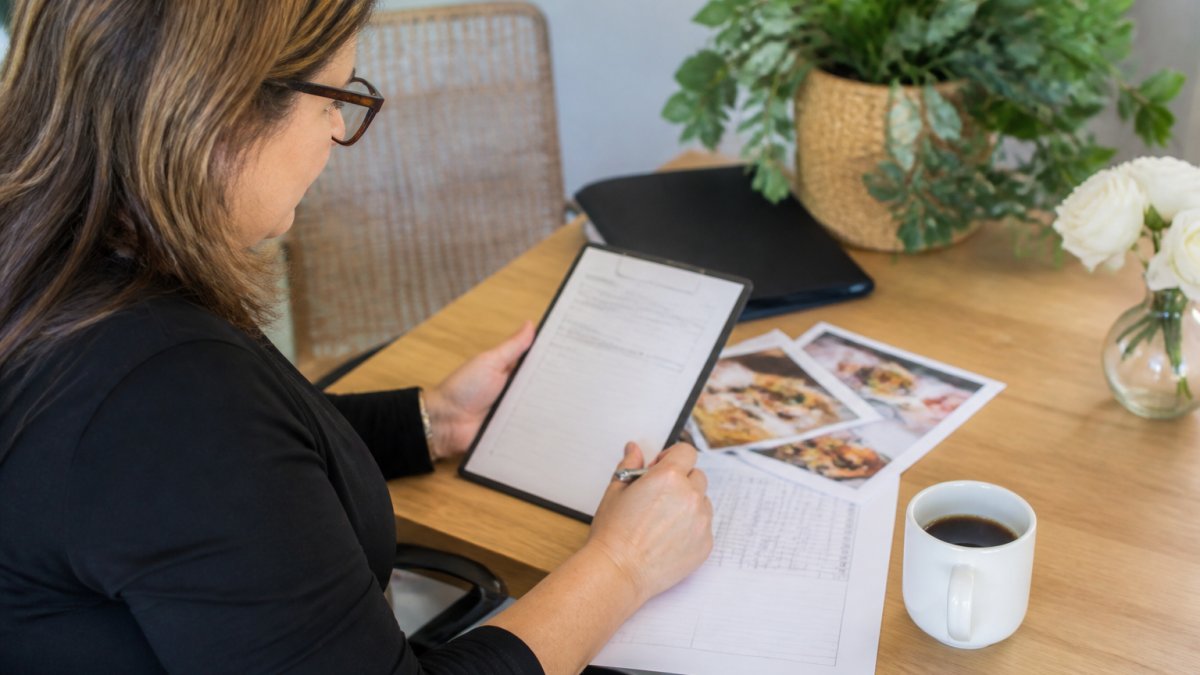
Confirm with the caterer:
- Final guest count and deadline for changes (usually 5-7 days before)
- Exact menu items and portion sizes per person
- Dietary accommodations and cross-contact protocols
- Setup time and location (where they'll arrive, where they'll work)
Get it in writing. Email confirmation counts. A verbal agreement counts only if you follow up with an email recap the caterer acknowledges.
For corporate event catering in your area, BOLD FOOD THAT MAKES AN IMPRESSION shows what authentic catering looks like beyond standard options.
Questions to Ask a Corporate Caterer Before Signing
These questions reveal whether a caterer is reliable or just hoping things work out.
About their experience:
- How many corporate events have you catered in the last year?
- What's the largest event you've handled?
- Do you have references from recent corporate clients?
About their process:
- How far in advance do you need the final guest count?
- What happens if guest numbers change 3 days before the event?
- How do you handle dietary restrictions and allergies?
- Do you do your own food prep or use a commercial kitchen?
About the day of the event:
- What time will you arrive to set up?
- How long does setup take?
- What happens if you're delayed by traffic or equipment issues?
- Who's the main contact on the day, and what's their phone number?
About reliability:
- What's your cancellation policy?
- If you can't fulfill the order, what's your backup plan?
- Do you have insurance?
- Have you ever had to cancel or reschedule an event?
Listen to how they answer, not just what they say. A good caterer gives specific answers. A risky one gives vague ones or seems defensive about questions.
Let's Talk About Your Event to discuss your specific needs with the Ninin's Indo Street Food team.
Corporate Catering Planning Timeline: When to Book and Confirm
Timing matters. Book too late and you limit your options. Confirm details too late and you leave no room for fixes.
Here's the timeline:
8-12 weeks before the event:
- Decide on catering style (buffet, plated, stations)
- Get a rough guest count
- Start researching and contacting caterers
- Request quotes from your top 3 choices
6-8 weeks before:
- Make your final caterer choice
- Sign the contract
- Provide dietary requirements list
- Discuss menu options
4 weeks before:
- Confirm final menu selections
- Finalize any custom requests
- Review the written confirmation
- Confirm delivery address and setup location
2 weeks before:
- Final guest count (or close estimate)
- Confirm any last-minute dietary changes
- Get the contact person's phone number for the day
- Review the full plan one more time
5-7 days before:
- Final, final guest count
- Confirm arrival time and setup details
- Brief your team on roles (greeting caterer, directing guests, clearing plates)
Day before:
- Check weather (affects outdoor setup)
- Confirm all details one last time
- Make sure someone will be there when the caterer arrives
Day of event:
- Be there 30 minutes before the caterer arrives
- Walk through setup with them
- Confirm food is at the right temperature
- Have a backup contact number in case of emergency
This timeline prevents panic. It also gives the caterer time to source ingredients and prepare properly.
Corporate Event Catering Contingency Plan: Your Backup Strategy
Things go wrong. A caterer gets delayed. Equipment fails. A supplier runs out of a key ingredient. A guest count jumps at the last minute. Your contingency plan is what keeps the event from falling apart.
For late delivery:
- Know the caterer's backup contact (not just the main one)
- Have a second caterer's number on standby (someone you've already vetted)
- Plan food that can wait (hot dishes hold better than cold ones)
- Brief guests that service might start 15-30 minutes late if needed
For equipment failure (broken serving utensils, missing plates):
- Ask the caterer what they'll bring (don't assume)
- Confirm you have backup plates, cutlery, and napkins at the venue
- Know where the nearest supermarket is if you need emergency supplies
For a guest-count spike:
- Set a cutoff date (usually 5-7 days before) after which changes cost extra
- Have a list of local caterers you can call for emergency top-ups
- Plan food that stretches (add more salad, bread, or snacks instead of expensive protein)
For dietary requirement surprises:
- Keep the caterer's phone number handy
- Have a backup option (nuts-free snacks, gluten-free bread) at the venue
- Brief your team on how to handle a guest who can't eat what's served
For weather (outdoor events):
- Have a rain date or indoor backup location confirmed in advance
- Know how weather affects food safety (hot food needs to stay hot, cold food needs to stay cold)
- Ask the caterer if they have weather contingencies
The key is knowing in advance what could go wrong and having a response ready. A caterer who talks openly about contingencies is one you can trust.
Securing Reliable Catering That Delivers On Time
Reliability is everything. A caterer who shows up on time with good food is worth more than one who's cheaper but unpredictable.
Here's how to spot a reliable caterer:
Track record:
- Ask for recent references and actually call them
- Check reviews, but read the details (not just star ratings)
- Ask how many years they've been in business
- Ask about their biggest events and how they handled them
Communication:
- Do they respond to emails and calls quickly?
- Do they ask detailed questions about your event?
- Do they follow up in writing after conversations?
- Are they clear about what they can and can't do?
Transparency:
- Do they explain their process clearly?
- Are they honest about limitations?
- Do they give you a detailed contract?
- Do they answer questions directly or give vague answers?
Preparation:
- Do they ask about your venue and any setup constraints?
- Do they ask about your guest mix (age, dietary needs, preferences)?
- Do they discuss timing and logistics in detail?
- Do they have a plan if something goes wrong?
At Ninin's Indo Street Food, we've built our reputation on showing up, delivering quality food, and making the event stress-free.
How to Calculate Catering Portions: A Step-by-Step Guide walks through the exact method to forecast correctly. How to Cater for Gluten-Free Guests: A Complete Guide covers dietary handling in detail.
Frequently Asked Questions
What are the most common corporate event catering mistakes?
The biggest mistakes are underestimating portions (guests go hungry), failing to confirm dietary requirements upfront (allergic reactions or guests with nothing to eat), choosing a menu that doesn't suit your audience (food gets wasted), and not building in contingency time for late deliveries or equipment issues. Many planners also skip written confirmation of guest count, delivery time, and allergen handling, then blame the caterer when things go wrong. A written corporate event catering checklist prevents most of these.
How far in advance should you book corporate event catering?
Book at least 4-6 weeks ahead for standard corporate events. For large functions (100+ guests) or events requiring custom menus, aim for 8-10 weeks. This gives the caterer time to source ingredients, confirm staffing, and plan logistics. Within 2 weeks of your event, confirm final guest count, delivery address, parking details, and any last-minute dietary changes. Waiting until the last minute forces caterers to decline or charge rush fees.
How can you ensure a caterer will actually meet your dietary requirements?
Get it in writing. Ask the caterer directly how they prevent allergen cross-contact (separate utensils, prep areas, labelled containers). Request a written menu with ingredient lists for each dish, and ask them to confirm which items are gluten-free, vegan, dairy-free, or nut-free. Have them sign off on your specific dietary list before the event. On the day, ask the caterer to clearly label each dish with allergens and dietary information so guests can identify safe options.
What should you include in a corporate event catering contingency plan?
Your backup plan should cover: (1) a 10-15% buffer in portion quantities to handle last-minute RSVPs; (2) the caterer's contact number and a backup caterer on standby if delivery is delayed; (3) a plan for equipment failure (extra serving utensils, backup chafing dishes, or cold storage if refrigeration fails); (4) a weather or traffic delay protocol with a 30-minute grace window before you escalate; (5) a written cancellation and refund policy in case the event is postponed. Discuss these scenarios with your caterer in advance so everyone knows what to do if something goes wrong.
Corporate event catering doesn't have to be stressful. The disasters most teams face are preventable with planning, clear communication, and a caterer who takes the work seriously. When you get it right, the food becomes part of what makes the event memorable rather than something that goes wrong. Get in touch with Ninin's Indo Street Food to discuss your event needs, explore customisable catering packages, and experience authentic Indonesian cuisine that your guests will actually remember.
